 Book an intro callIntro call




Data and
AI solutions
with impact.
Custom-built for companies where orders, stock and planning drive the work.
30 minutes, no obligation.
Built for, among others


Stratalytic forecasts demand, connects systems and automates manual work. Every project starts with a business case: lower costs, more revenue and ROI.
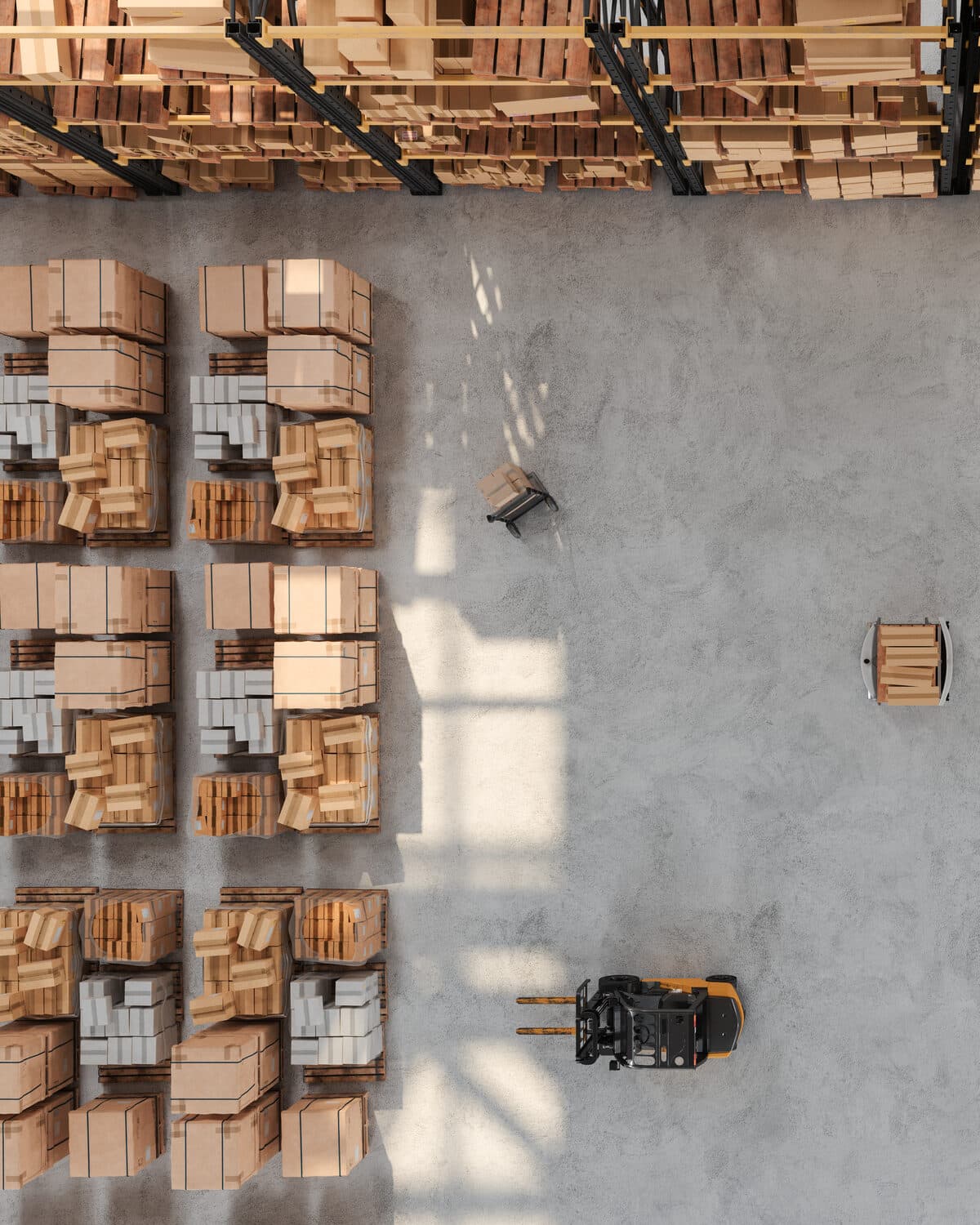
Where goods move, the impact is in the data.
Orders, stock and planning sit in systems that rarely talk to each other. That is where we start.
Wholesale
Stock figures you can trust, margin per customer and product, and purchasing based on a forecast.

Manufacturing
From order to work preparation in one line, with a schedule that takes the shop floor into account.

Logistics
Trips, loads and invoicing in one flow, and customer integrations with no manual work in between.
Three places where almost every company gets stuck.
They come up in each of those three sectors. It is also where the Data Impact Scan starts.
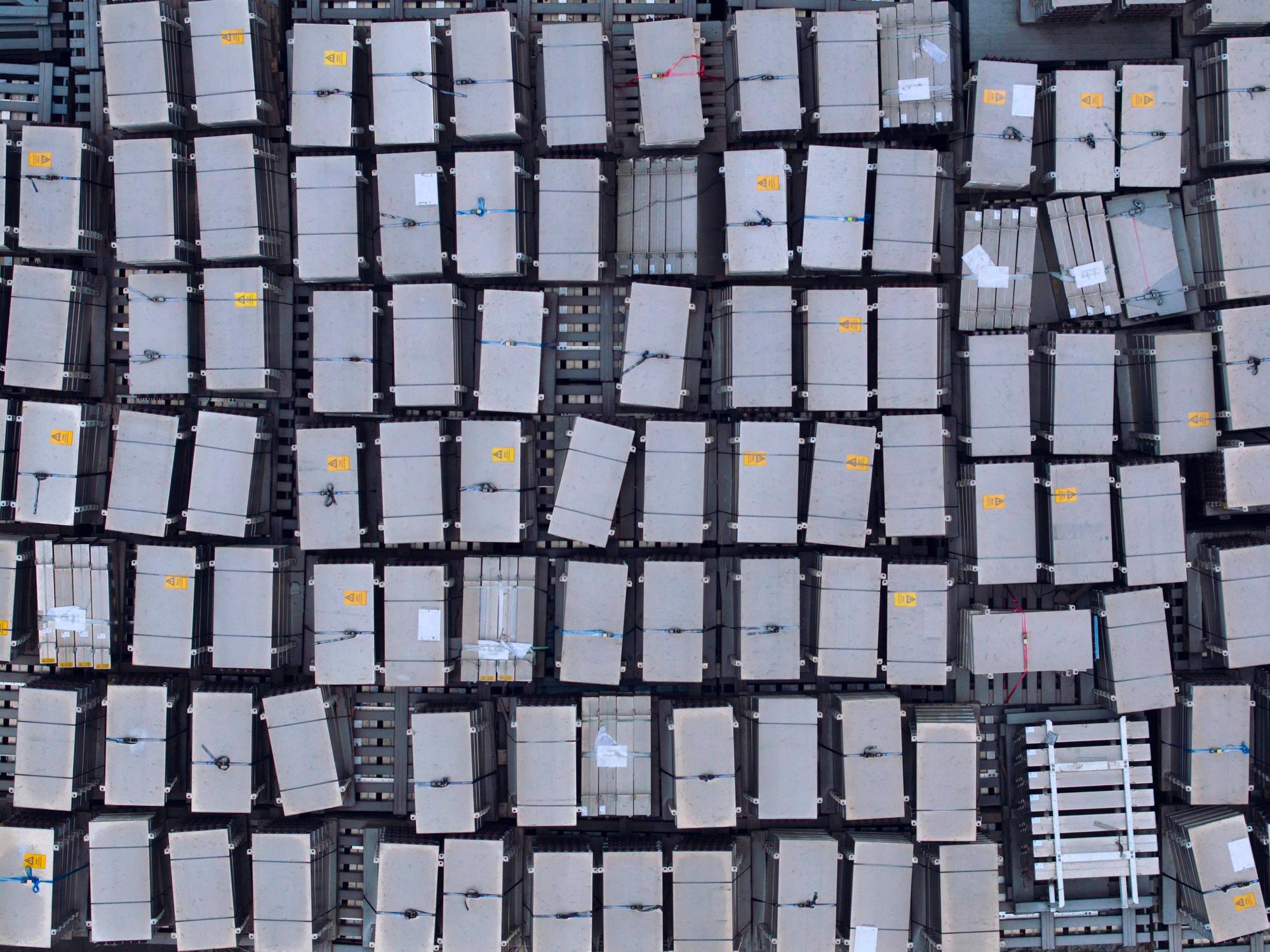


The warehouse is full of what does not sell, and the fast movers are sold out. Ordering runs on experience and last month's spreadsheet. The result: stock that sits for months and customers who hear no.
How purchasing becomes predictableRevenue, margin and stock live in five systems and a handful of spreadsheets. Anyone who wants to steer waits for the quarterly figures or builds them in Excel.
How the figures end up in one placeOrder emails, PDFs and Excel lists get retyped. Every line copied by hand can go wrong, and the error only surfaces in the factory or at the customer.
How the retyping disappears
Four kinds of custom work, each built for one company.
Sometimes an integration or a model, sometimes a complete custom system. Always built on your own data and fitted to how the business works, instead of the other way round.
Automating orders and work
Orders from email, PDF and Excel are ready as a draft order in the ERP. The retyping goes away, the team checks every order and keeps the decision.
2 out of 3order emails nobody has to retype any more, at a wholesalerMore on automationDemand forecasting and planning
Purchasing, stock and capacity based on a forecast tested against the company's own sales data, with purchase proposals and warnings for shortages or surplus.
40% to 86%forecast accuracy, at an international manufacturerMore on forecastingData foundation and integrations
Systems that talk to each other and one place where the figures add up. Often the hidden blocker for everything else.
At a D2C web shop: the discounts per month in one viewMore on the data foundationCustom systems
A planning board, an order portal or a module next to the ERP you already run, built around how the business works. Sometimes a complete system.
One system that follows the company's own process, instead of three packages and a spreadsheet on the sideMore on custom systemsStart with thirty minutes on the work that is still done by hand.
An introduction with a solution architect from the team that also builds. The first question is which process has enough volume and enough history to justify a model. Usually that is two or three, not twenty.
- An overview of the opportunities, in order of return
- A business case for each one, in hours, errors or accuracy
- Clear advice: build or don't. If there is nothing to gain, there is no proposal
- Duration
- 30 minutes, no obligation. The follow-up work takes 1 to 2 weeks
- With whom
- A solution architect, together with the data scientist who builds the model
- From the company
- Two years of history; we handle the rest
- Systems
- It runs next to the ERP and the Excel lists already there. If the data is messy, we see that in the first step
From a first conversation to a solution that runs, in four steps.
Data Impact Scan
Thirty minutes on the work and the data you already have. Afterwards there are three to five opportunities, each with an estimate of the return in numbers.
Feasibility and ROI
A backtest on your own history: the forecast tested on a period the model never saw. That also shows how messy the data is. If there is nothing to gain, there is no proposal.
Building in sprints
Every two weeks there is something that works, tested on your own data. The team tests along and sees what it delivers.
Delivery and continuity
Documentation, training, monitoring and three months of support. The code belongs to the company, and after that your team runs it.
Two out of three orders no longer need typing.
Orders came in by email and were entered into the ERP by hand. Now a model reads the email and prepares a draft order. The order desk approves every order itself.
Over 3,300 of the 5,017 order emails no longer needed retyping.
Share of order emails arriving as a correct draft order. 5,017 emails against 6,984 booked orders, measured September 2026.
What it delivered, per case.
 Live
A forecast that sees demand per product ahead of time.
Accuracy rose from 40% to 86%. That saves CHF 778,000 a year: fewer purchasing misses, less stock sitting idle for months.
Read the case Live
Orders from email, ready and waiting in the ERP.
Measured on 5,017 emails. The order desk approves every order itself.
Read the case Live
Data from separate systems brought together, with a forecast on top.
Only once the figures sat in one place did it become clear how much discount was leaking each month. A forecast with purchase proposals and warnings for shortages now runs on that data.
Read the case Pilot
A call list with the most promising leads at the top.
Tested on 632 closed leads. Half of the top 20% become customers.
Read the caseThe next case starts with a thirty-minute conversation.
Afterwards there is an overview of the opportunities, each honestly estimated in numbers.
Book an intro callClients are anonymous unless they gave permission, like Masparts (84% accurate quote prediction). The figures are our own measurements from 2026. For a forecast that means a backtest: the forecast tested on a period from the past.
Not ready for a call? Start with the guide.
Free PDF: how to pick the one AI use case that demonstrably pays off, why most AI projects fail, and three measured cases, from 71% lower forecast error to 84% accurate quote scoring.
What companies want to know before they book a call.
If your question is not here, we will answer it in the Data Impact Scan.
Book an intro callWhat does it cost, and what if it delivers nothing?
The Data Impact Scan is a 30-minute introduction. A proposal only follows when there is measurable impact to gain. We have no fixed price list, because every project is custom. Every proposal does come with demonstrable ROI. If there is none, we do not make a proposal.
Which companies is this for?
For companies that collect enough data to steer by, and that make decisions which depend on it: stock, pricing, planning, capacity. The common thread is a recurring decision that is made today on gut feel or in a spreadsheet.
How long does a first project take?
A first working version is usually in place within 4 to 6 weeks. We work in two-week sprints with visible progress.
Is our data safe?
We sign an NDA before any data is shared. Processing takes place in the company's own cloud or in an EU cloud, in line with the GDPR. We never train on third-party data.
Who will we work with?
With a fixed team: a solution architect as your point of contact, and data scientists and engineers who build the solution. The same team stays with you for the whole project.

The Data Impact Scan
Thirty minutes with a solution architect from the team that also builds the solution. An honest estimate in numbers of what there is to gain, even if the answer is that it does not pay off.
Not ready for a call? Send the question by email: what is stuck and what it costs in hours today. The answer comes from the solution architect, not from sales. Ask the question
Stratalytic is an agency in Amsterdam that builds data and AI for manufacturing, wholesale and logistics. The team that works out the opportunities also builds the solution and takes it live.
- No upfront costThirty minutes, no obligation
- ROI up frontBacked by your own figures
- All the way to productionSystems the team works with every day